
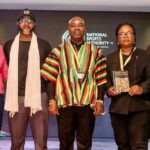



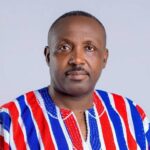
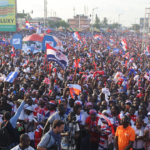
The New Patriotic Party (NPP) is bracing itself for what promises to be one of the most fiercely contested internal elections in its storied history. As the 2026 National Executive Elections draw nearer, the political temperature is rising, alliances are being forged, and the battle lines are clearly drawn. This is not merely an exercise in party administration—it is a defining moment that will shape the future trajectory of Ghana’s ruling party and, by extension, the nation’s political landscape.
From the corridors of power in Accra to the grassroots strongholds in the Ashanti Region, every constituency is abuzz with intense lobbying and strategic maneuvering. The stakes could not be higher: the individuals who emerge victorious from this electoral contest will not only steer the NPP through the challenging terrain of the 2028 general elections but will also determine the ideological direction, operational efficiency, and electoral appeal of the party for years to come. In the coming months, delegates will be tasked with making weighty decisions that could either consolidate the party’s gains or plunge it into a period of introspection and recalibration.
THE CHAIRMANSHIP RACE: A CLASH OF TITANS
At the apex of the ticket, the contest for National Chairman reads like a who’s who of NPP heavyweights. Boakye Agyarko Kyeremanteng, a seasoned statesman and former Energy Minister, brings decades of political experience and a reputation for intellectual depth. His campaign is expected to focus on restoring what he describes as “traditional NPP values” while offering strategic counsel to the party leadership. John Boadu, the former General Secretary who knows the party’s machinery like the back of his hand, is positioning himself as the candidate with the administrative nous to transform the NPP into a more efficient, vote-winning machine.
The wildcard in this contest is undoubtedly Bernard Antwi-Boasiako, popularly known as Chairman Wontumi, the Ashanti Regional Chairman whose larger-than-life personality and grassroots appeal have made him both a beloved figure and a lightning rod for controversy. His entry into the national race has electrified the party base, particularly among the youth and foot soldiers who see him as a breath of fresh air. Not to be counted out are Paul Afoko and Sammy Crabbe, both of whom command respect in certain party quarters and could play the role of kingmakers or surprise packages. With five formidable candidates, the chairmanship race is too close to call, and the outcome will hinge on delicate negotiations, regional block voting, and perhaps a few political surprises along the way.
THE VICE CHAIRMANSHIP: DEPTH OF TALENT ON DISPLAY
If the chairmanship race is a heavyweight bout, the vice chairmanship contest is a marathon of political endurance. A staggering nine aspirants have thrown their hats into the ring, each bringing unique strengths and regional appeal. Henry Nana Boakye (Nana B), the current National Youth Organizer and a dynamic communicator, represents the yearning for youthful energy and generational shift within the party hierarchy. Richard Ahiagba, Nana Akomea, and Mustapha Hamid are all seasoned communicators and former government appointees who boast impressive track records in public service and media relations.
The presence of Alhaji Masawudu Osman, Bright Essilfie-Kumi, Yaa Frimpong, Kwadwo Bamba, and Sam Pyne ensures that regional balance and gender representation remain prominent considerations. This is a race where every vote will count, and the final lineup of vice chairpersons will likely reflect a careful balancing act between the various political tendencies, religious affiliations, and geographical constituencies that make the NPP a truly national party. Delegates must weigh experience against innovation, regional loyalty against national appeal, and personal relationships against institutional competence.
THE SECRETARIAT: THE ENGINE ROOM OF THE PARTY
The position of General Secretary is arguably the most technically demanding role in the party, requiring an individual who combines organizational brilliance with political shrewdness. Justin Kodua Frimpong, the incumbent, brings continuity and institutional memory to the table, having successfully navigated the party through recent electoral challenges. His challengers, however, are formidable: Dr. Charles Dwamena offers academic rigor and policy expertise, while Eugene Boakye-Antwi and Sylvester Tetteh are both grassroots mobilizers with strong networks across the regions.
This contest is particularly significant because the General Secretary serves as the chief administrator of the party, responsible for organizing elections, managing internal disputes, and ensuring that the NPP remains a cohesive fighting force. Whoever wins this position will be tasked with healing potential rifts emerging from the various other contests and ensuring that the party enters the 2028 elections as a united front. It is a thankless but indispensable job, and the candidates are acutely aware that they are auditioning for one of the most critical roles in Ghanaian politics.
THE ORGANIZER’S RACE: THE FOOT SOLDIERS’ GENERAL
The National Organizer is the heartbeat of the party’s grassroots machinery, the individual responsible for turning political strategy into electoral reality. Salam Mohammed Mustapha, the current occupant of the office, will defend his record against a formidable array of challengers including Daniel Nii Kwatei Titus-Glover, a former Deputy Minister with deep roots in the Greater Accra Region; Emmanuel Korsi Bodja, whose Volta Region connections could prove pivotal; Kwame Prempeh, a grassroots firebrand; and Ali Maiga, who represents the northern political tradition.
This race is about more than just personalities; it is a battle over the soul of the party’s grassroots organizing philosophy. Should the NPP double down on its traditional strongholds or make concerted efforts to break new ground in opposition-friendly territories? The candidates’ answers to this question will determine the party’s approach to voter registration, community engagement, and get-out-the-vote operations in the critical years ahead.
WOMEN, YOUTH, NASARA, AND COMMUNICATIONS: THE SPECIALIZED RACES
The other specialized positions are attracting equally intense interest. The Women’s Organizer race features Hawa Koomson, the fiery incumbent and former Minister, who faces a strong challenge from Hajia Safia Mohammed, a respected figure in women’s advocacy circles. The outcome here will signal the party’s commitment to gender inclusion and women’s empowerment.
The Youth Organizer contest is a particularly intriguing sub-plot, with Abanga Fuseini Yakubu, Michael Osei Boateng (POPE) , Vera Oye Bram-Larbi, Chris Lloyd, and Clement Opoku Gyamfi (CID) all vying for the chance to mobilize the crucial demographic that could determine the party’s electoral fortunes in 2028. Similarly, the NASARA Organizer position, which focuses on Zongo communities, has attracted Abdul Aziz Haruna Futah, Alhaji Muazu Issaka, Razak Tahiru Maiga, and Ali Suraj, each promising to deepen the party’s engagement with Muslim and Zongo populations.
The National Treasurer position, featuring Kwaku Nkansah (Paanii) , Collins Nuamah, Alfred Kojo Thompson, and Dr. Issahaku Moomin Tahiru, will determine the financial stewardship of the party, while the Communication Director race—with Dennis Miracle Aboagye, KamalDeen Abdulai, and Gordon Asare Bediako—will shape how the NPP tells its story and defends its record in an increasingly polarized media environment.
THE ROAD AHEAD: A PARTY AT A CROSSROADS
As the NPP prepares for this electoral marathon, one thing is clear: the 2026 National Executive Elections will be a defining moment in the party’s history. The choices delegates make will resonate far beyond the conference halls and polling stations, influencing the party’s ability to retain power, its appeal to floating voters, and its capacity to govern effectively. The candidates represent a rich tapestry of experience, ambition, regional diversity, and ideological perspectives—a testament to the NPP’s status as a broad coalition of political interests.
For the ordinary Ghanaian watching from the sidelines, these elections are a reminder that democracy is not just about the grand spectacle of presidential and parliamentary contests but also about the less visible but equally important internal party processes that shape governance outcomes. As the campaigns intensify and the debates heat up, one can only hope that the contest remains issue-based, respectful, and focused on the ultimate goal: ensuring that the NPP remains the vehicle for progressive, transformative governance that Ghana deserves. The battle for the soul of the party is on, and history awaits the verdict of the delegates.
0 Comments
Be the first to share your thoughts on this story.